

The 6888th Central Postal Directory Battalion, known as the “Six Triple Eight,” exemplifies perseverance, excellence, and resilience in U.S. military history. Their contributions highlight the often-overlooked role of Black women in the military and the essential work they performed during World War II.
A Mission of Determination in WWII
On February 3, 1945, more than 800 Black women in the Women’s Army Corps embarked on the SS Île de France to an unknown destination, braving German U-boat threats during the Atlantic crossing. Eleven days later they arrived in Glasgow, Scotland, where their commander, Major Charity Edna Adams—the first Black woman to reach the rank of lieutenant colonel in the U.S. Army—awaited them.
The 6888th made history as the only all-Black Women’s Army Corps unit to serve overseas during World War II. Their assignment was daunting: sort a massive backlog of more than 17 million letters and packages stored in warehouses across Europe. Although the Army expected the work to take at least six months, the Six Triple Eight completed the task in just three months, driven by their motto: “No mail, low morale.”
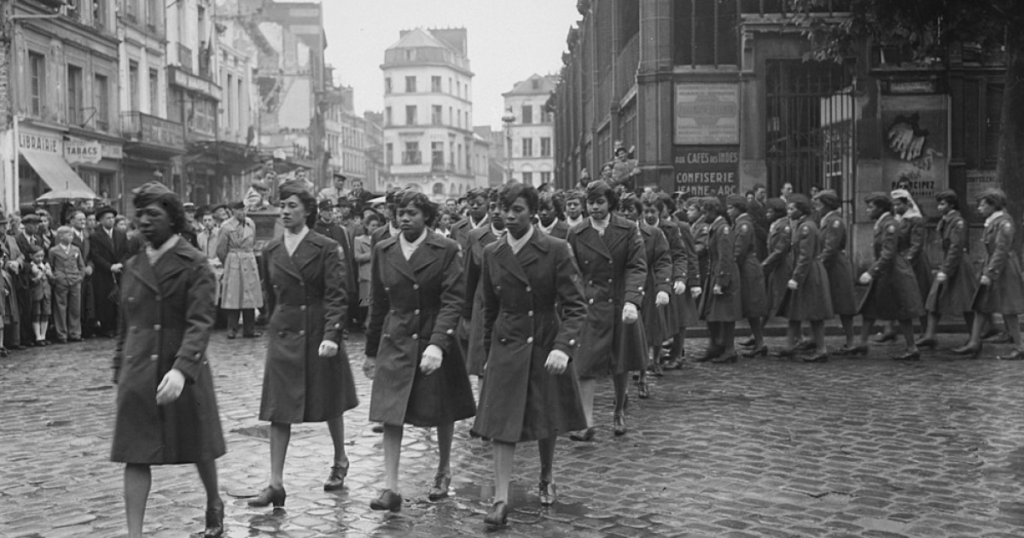
Overcoming Barriers and Boosting Morale
Before their arrival, undelivered mail had accumulated for years, eroding morale among U.S. troops stationed overseas. Soldiers were desperate for communication from loved ones, but letters and care packages were often lost, delayed, or misdirected.
At peak efficiency, the Six Triple Eight processed more than 65,000 pieces of mail per shift. By the end of the war, they had sorted and delivered over 17 million letters and packages, ensuring service members received messages of love, encouragement, and hope from home.
Despite their critical mission, the battalion faced harsh discrimination. They endured cold showers, limited supplies, and segregated living quarters in temporary wooden barracks that were unheated and infested with rats. Yet they maintained discipline and determination, proving both their organizational skill and commitment to serve a nation that too often failed to fully recognize them.
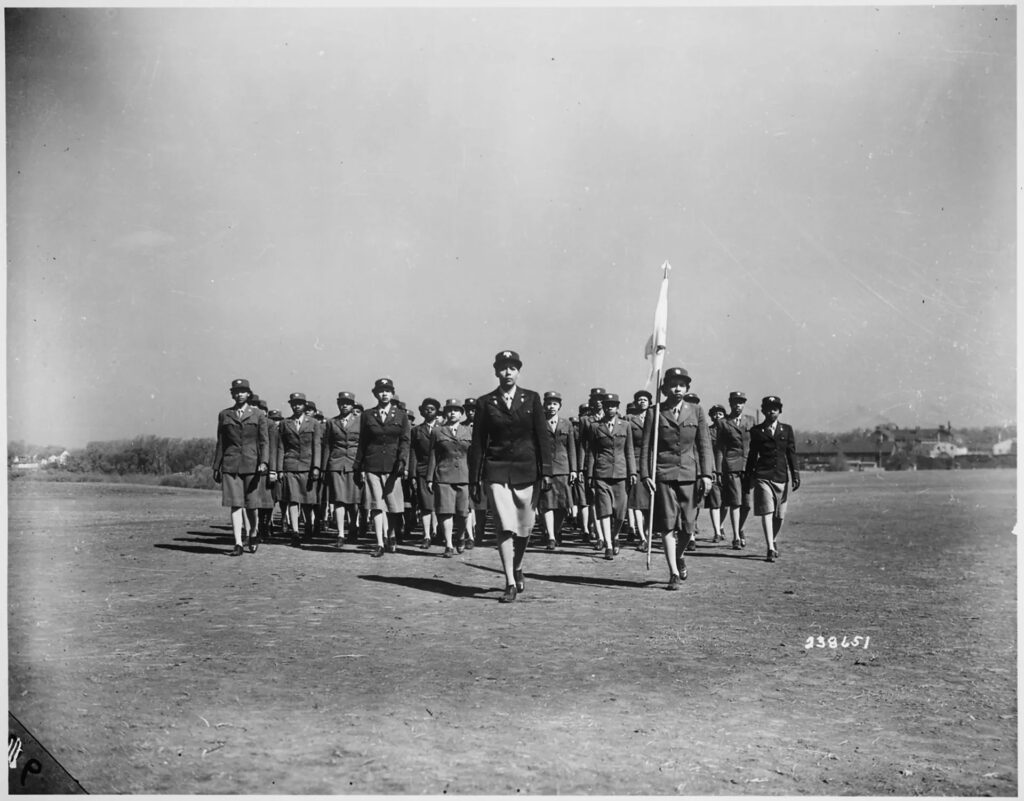
Recognition Long Overdue
When World War II ended, the Six Triple Eight returned home with no fanfare or official recognition, and for decades their achievements went largely unnoticed.
That began to change when, in 2018—73 years later—a monument honoring the battalion was erected at Fort Leavenworth, Kansas. In 2019, the U.S. Army awarded the unit the Meritorious Unit Commendation for Meritorious Service. Then on March 14, 2022, President Joe Biden signed the Six Triple Eight Congressional Gold Medal Act, granting the battalion one of the highest honors awarded by the United States. The battalion’s last four living members—Romay Davis, Fannie McClendon, Lena King, and Anna Mae Robertson—were honored in their hometowns.
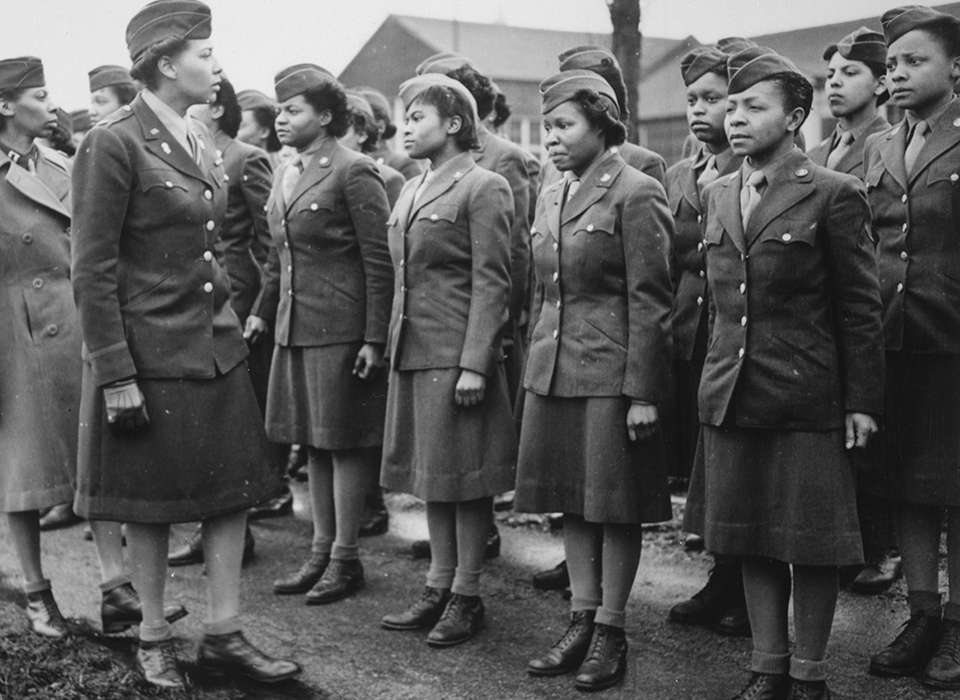
A Legacy Remembered
With the release of Netflix’s “The Six Triple Eight,” the story of this extraordinary unit is reaching a broader audience. The film not only highlights their significant contributions to the war effort but also underscores the enduring strength of Black women in the U.S. military—an important history often overshadowed in mainstream narratives.
As we commemorate Black History Month, we honor the Six Triple Eight and all Black service members whose sacrifices and dedication have shaped our nation’s history. Their story reminds us that service comes in many forms, and sometimes the simplest act—delivering a letter home—can have profound impact.
Views: 876